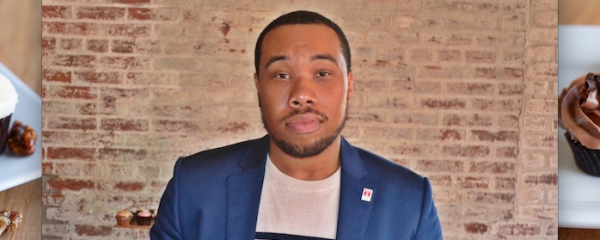
On a Tuesday morning in a rented commercial kitchen in West Philadelphia, Joe Green is doing math in his head. How many croissants for the corporate order. How much butter. What the margins look like when you're buying in bulk versus buying local. His hands are dusted with flour and his phone is lighting up with messages. He glances at it, pockets it, and keeps rolling dough.
"This is the part they don't tell you about," he says, without looking up. "Running a bakery is about 30% baking and 70% everything else."
From Passion to Platform
Joe launched Affinity Confections in 2013 after years working in restaurant kitchens and watching talented bakers struggle to turn their craft into sustainable income. His vision was different from the start: Affinity wouldn't just be a bakery. It would be a model — proof that artisan food production could support fair wages, community hiring, and genuine relationships with local farms.
"I wanted to show that you could do it right from the beginning," he says. "Not cut corners on ingredients, not underpay workers, not compromise on quality — and still make money. A lot of people told me that wasn't possible. I didn't believe them."
The Business of Baking
Affinity Confections' menu changes with the seasons. In fall, you'll find sweet potato croissants, cardamom apple tarts, and brown butter financiers. By December, the operation shifts to a catering focus — holiday parties, corporate events, curated gift packages — which Joe says accounts for nearly 40% of annual revenue.
The catering arm isn't just a revenue stream. It's a laboratory. "Catering forces you to think systematically," Joe explains. "You can't improvise for 300 people. You have to engineer the food. That discipline has made our bakery operation tighter."
Changing the Game
What makes Affinity genuinely disruptive isn't the croissants, excellent as they are. It's Joe's insistence on treating the bakery as a community institution. He's partnered with two Philadelphia high schools to offer paid apprenticeships in his kitchen. He sources from Black-owned farms in Chester County. He prices his products to be affordable to the neighborhood he works in, not just the clientele who can afford artisan pricing.
"I grew up watching businesses come into neighborhoods, take money out, and leave," he says. "Affinity is the opposite of that. The neighborhood built this. The neighborhood owns this."
Joe's next move: a permanent retail location in West Philadelphia, expected to open in 2015. The waiting list for the apprenticeship program is already six months long.